When a truck delivers a load from Istanbul to Mersin, the job isn't over. The vehicle will either find a new load in or near Mersin, or drive back empty. An empty return is a journey with no income to cover fuel, tolls, driver costs and wear on the vehicle.
The cost to the carrier
Empty kilometres are lost profit. To cover the risk, the logistics company either raises the outbound price or has to accept a low-priced return load. Either way the business's sustainability suffers; for small companies with few vehicles, the difference can be vital.
The cost to the shipper
The carrier's risk of an empty return ends up in the freight rate. Shippers sending cargo to regions where loads are hard to find face higher prices. In other words, empty returns indirectly raise manufacturers' logistics costs too.
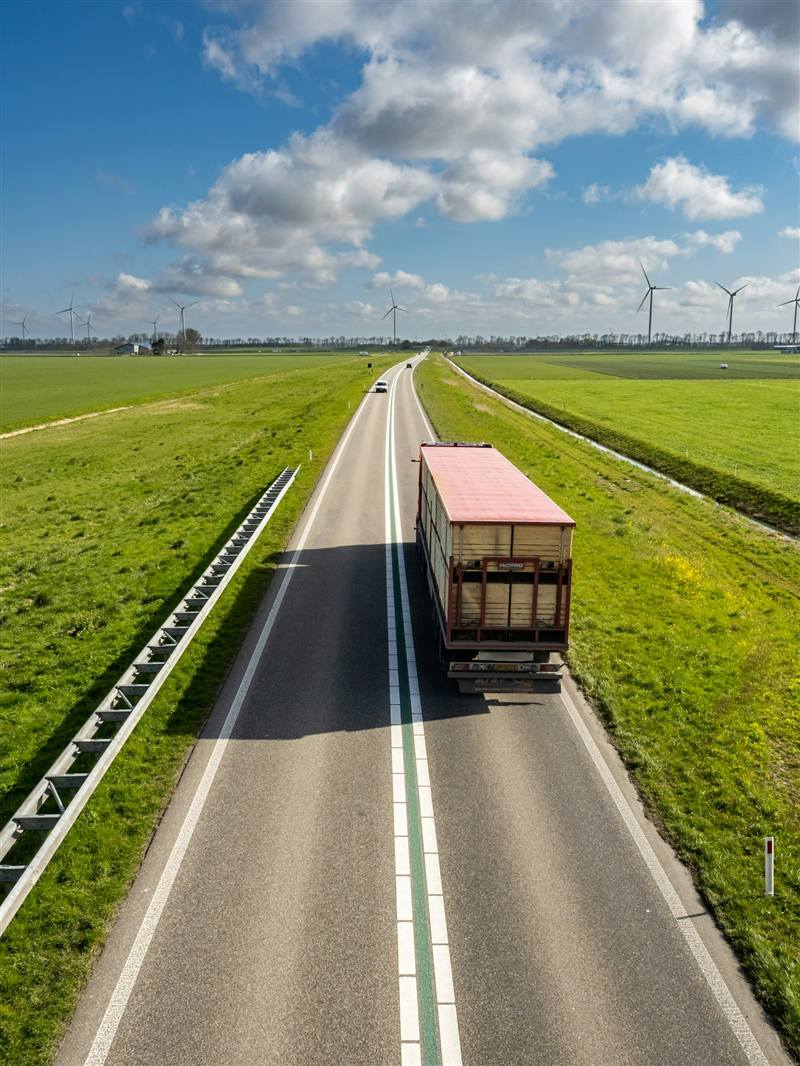
The cost to the environment
An empty truck still burns fuel and produces emissions, but carries nothing in return. One of the most effective ways to cut carbon emissions per tonne carried is to increase vehicle load factors.
How can empty returns be reduced?
- Visibility: The more logistics companies see a load at the same time, the higher the chance of finding a load where a truck already is.
- Early planning: When shippers post requests early, logistics companies can plan their return trips in advance.
- Direct connections: Shorter broker chains mean information flows faster and good matches are easier.
- The right vehicle: Using a vehicle type suited to the cargo prevents wasted capacity.